

Montessori Biology Puzzles: Hands-On Learning Piece by Piece
Biology becomes more meaningful when children can explore it—piece by piece.
Learning the names and functions of plant, animal, and human body parts can feel abstract when information is presented only through words or pictures. Montessori biology puzzles provide a concrete starting point, allowing children to touch, examine, compare, and assemble the structures they are learning about.
As children remove and replace each puzzle piece, they begin to understand an essential scientific idea: every part has its own characteristics and function, while also contributing to a larger whole.
What Are Montessori Biology Puzzles?
Montessori biology puzzles are specially designed educational materials that introduce children to the structures of plants, animals, the human body, and other living things.
Many of these materials are wooden puzzles with individual pieces representing specific anatomical or botanical parts. Small knobs make the pieces easier to lift and encourage controlled hand movements.
Depending on the design, a puzzle may represent:
The parts of a flower, leaf, tree, seed, fruit, or root
The external body parts of an animal
Important structures of the human body
The developmental stages in a plant or animal life cycle
Unlike a conventional picture puzzle, a Montessori biology puzzle is intended to support observation, scientific vocabulary, classification, and further investigation.
How Children Work with Knobbed Biology Puzzles
The child begins by removing the puzzle pieces carefully, often one at a time. Each piece can then be observed, compared, named, and returned to its correct position.
During the activity, children investigate questions such as:
What is this part called?
What shape does it have?
Where is it located?
What function does it perform?
How does it connect to the complete organism?
Where can we observe it in nature?
This active process makes new vocabulary easier to connect with a visible and tangible structure.
Four Areas of Biology to Explore
A well-planned Montessori biology collection can introduce children to several branches of life science.
Botany
Botany puzzles help children explore the structures of plants. Materials may introduce the parts of a:
Leaf
Flower
Tree
Root
Seed
Fruit
For example, a flower puzzle can provide a concrete introduction to structures such as the petals, sepals, stamens, and pistil. Children can later compare the puzzle with real flowers and observe how botanical structures vary between species.
Zoology
Montessori zoology puzzles introduce the external anatomy of familiar animal groups. Children can examine the principal body parts of animals such as:
Birds
Fish
Frogs
Turtles
Horses
Insects
These puzzles encourage children to notice how an animal’s structure relates to movement, protection, feeding, and survival. A fish has fins for movement through water, while a bird’s wings and feathers relate to flight and insulation.
Human Anatomy
Human anatomy materials support body awareness and introduce appropriate scientific vocabulary. Children can explore major body parts and, depending on the material, begin learning about internal organs or body systems.
Hands-on anatomy activities help children connect scientific language with their own bodies and everyday experiences.
Life Cycles
Life-cycle materials show that living things grow and change over time. Children may explore sequences such as:
Seed to mature plant
Egg to butterfly
Egg to frog
Egg to chicken
Arranging developmental stages in order helps children understand sequence, transformation, growth, and the repeating patterns found in nature.
Skills Supported by Montessori Biology Puzzles
Biology puzzles offer more than subject knowledge. Regular work with the materials can support several areas of development.
Scientific vocabulary
When adults name the individual parts clearly and accurately, children build a foundation of botanical, zoological, and anatomical language.
Visual discrimination
Children compare differences in shape, size, position, and proportion while identifying where each piece belongs.
Fine motor coordination
Lifting pieces by their knobs and placing them accurately supports the controlled finger movements also used in practical life and writing activities.
Concentration and independence
Completing a puzzle requires attention, patience, and an orderly sequence of work. Familiar materials also allow children to repeat the activity independently.
Part-to-whole understanding
Each removable piece represents an individual structure, while the completed puzzle shows how all the parts form a whole. This relationship is central to the study of living organisms.
Classification and comparison
After working with several puzzles, children can compare structures across plants or animals. They may notice similarities, differences, and patterns that support later biological classification.
Extending the Learning Beyond the Puzzle
Completing the puzzle is only the beginning. Educators can build a richer biology study by combining the material with other classroom resources and real-world experiences.
Add classified cards
Three-part cards can help children match pictures, labels, and definitions. This supports vocabulary development and provides a bridge from the physical puzzle to printed language.
Include books and reference materials
Place age-appropriate nature books near the puzzles so children can investigate the organisms and structures in greater detail.
Observe real specimens
Whenever possible, connect the puzzle with a real leaf, flower, fruit, seed, or other safe specimen. Children can compare the material with what they see and touch in nature.
Take learning outdoors
Nature walks encourage children to apply classroom vocabulary to the living world. They can look for different leaf shapes, observe insects, compare tree structures, or document seasonal changes.
Encourage drawing and labeling
Children can trace puzzle pieces, create their own diagrams, and add labels. This integrates science with art, language, pencil control, and written expression.
Ask open-ended questions
Instead of giving every answer immediately, educators can invite further observation:
What do you notice?
How are these two parts different?
Why might the organism need this structure?
Can you find something similar outdoors?
What do you think happens next?
These questions encourage curiosity and scientific thinking.
From Concrete Exploration to Scientific Understanding
Montessori education often guides children from concrete experience toward increasingly abstract knowledge.
A child may first handle a single piece representing the leaf of a plant or the wing of a bird. Later, that physical experience can be connected with a name, a function, a written label, a classification, and a broader biological concept.
The learning progression may look like this:
Touch and observation → Naming → Comparison → Classification → Scientific understanding
Because children have already explored the structure with their hands, later explanations are connected to a familiar experience.
Choosing Biology Puzzles for the Classroom
When selecting Montessori biology materials, consider:
Clearly recognizable and scientifically appropriate structures
Individual pieces that correspond logically to the parts being studied
Child-friendly knobs that are securely attached
Smooth surfaces and carefully finished edges
Consistent colors that help children identify related structures
Durable construction for repeated classroom use
Materials that can be extended with cards, books, drawing, and observation
The puzzles should invite independent exploration while also supporting accurate scientific language.
Discover Biology Through Hands-On Learning
Montessori biology puzzles help children see living things as organized structures rather than isolated names in a book. Every piece offers an opportunity to observe, question, compare, and discover.
Through botany, zoology, anatomy, and life-cycle activities, children build vocabulary while developing concentration, coordination, visual discrimination, and a lasting interest in the natural world.
At Adena Montessori, our biology materials are designed for Montessori classrooms, early-learning environments, and hands-on science activities—helping children explore the living world one piece at a time.
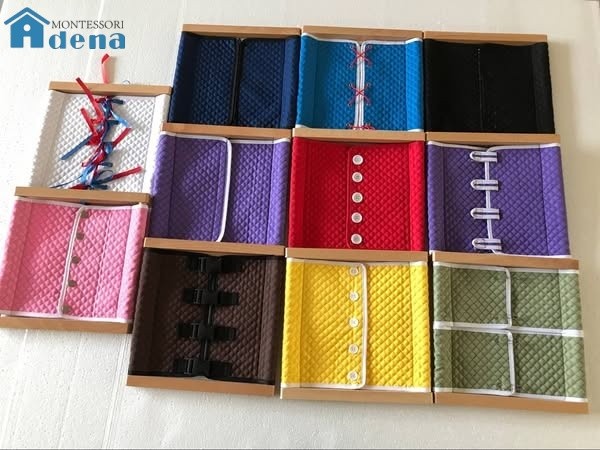 Montessori Dressing Frames for Child Independence
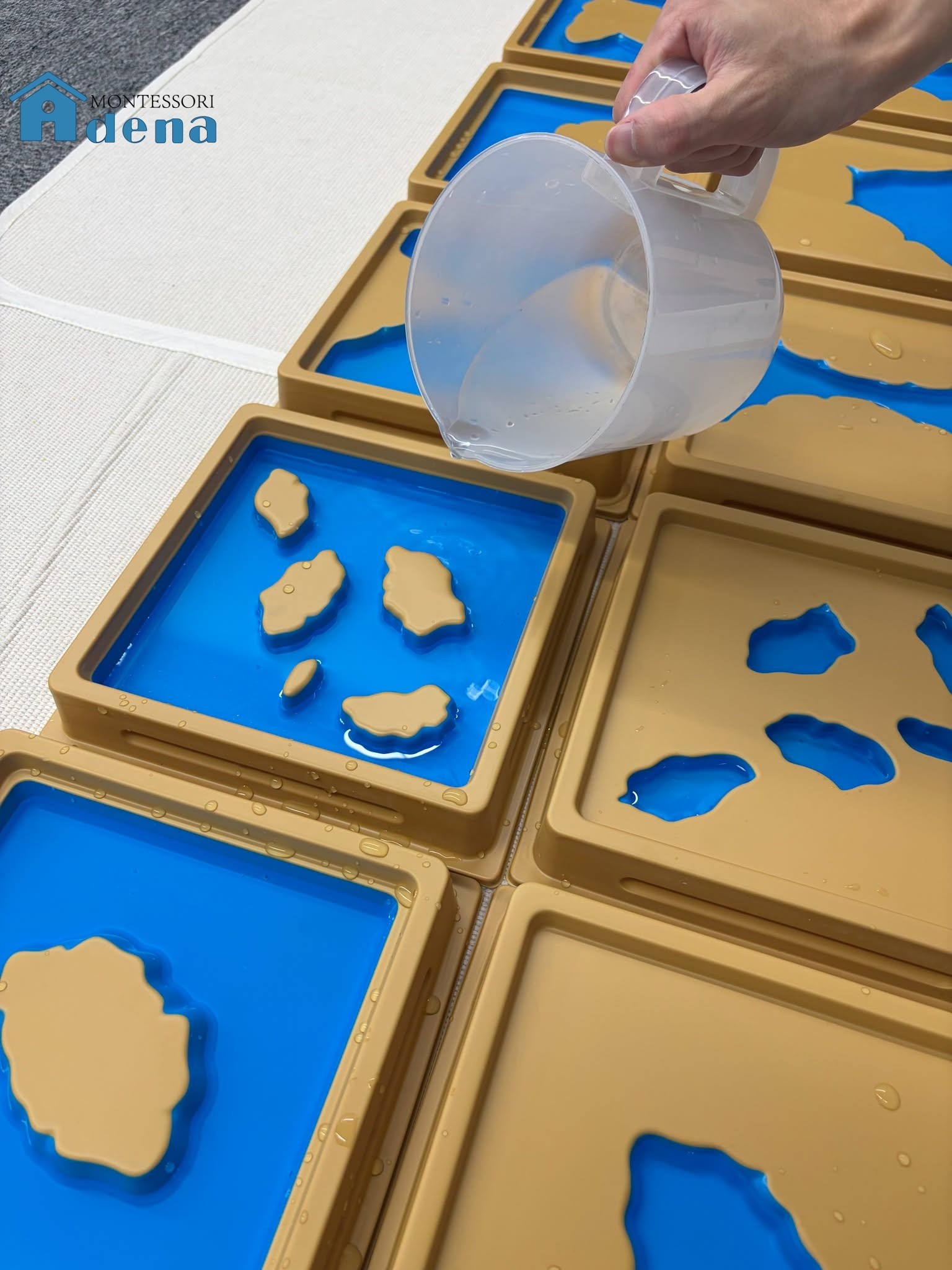 Montessori Land and Water Globe: A Child’s First Geography Lesson
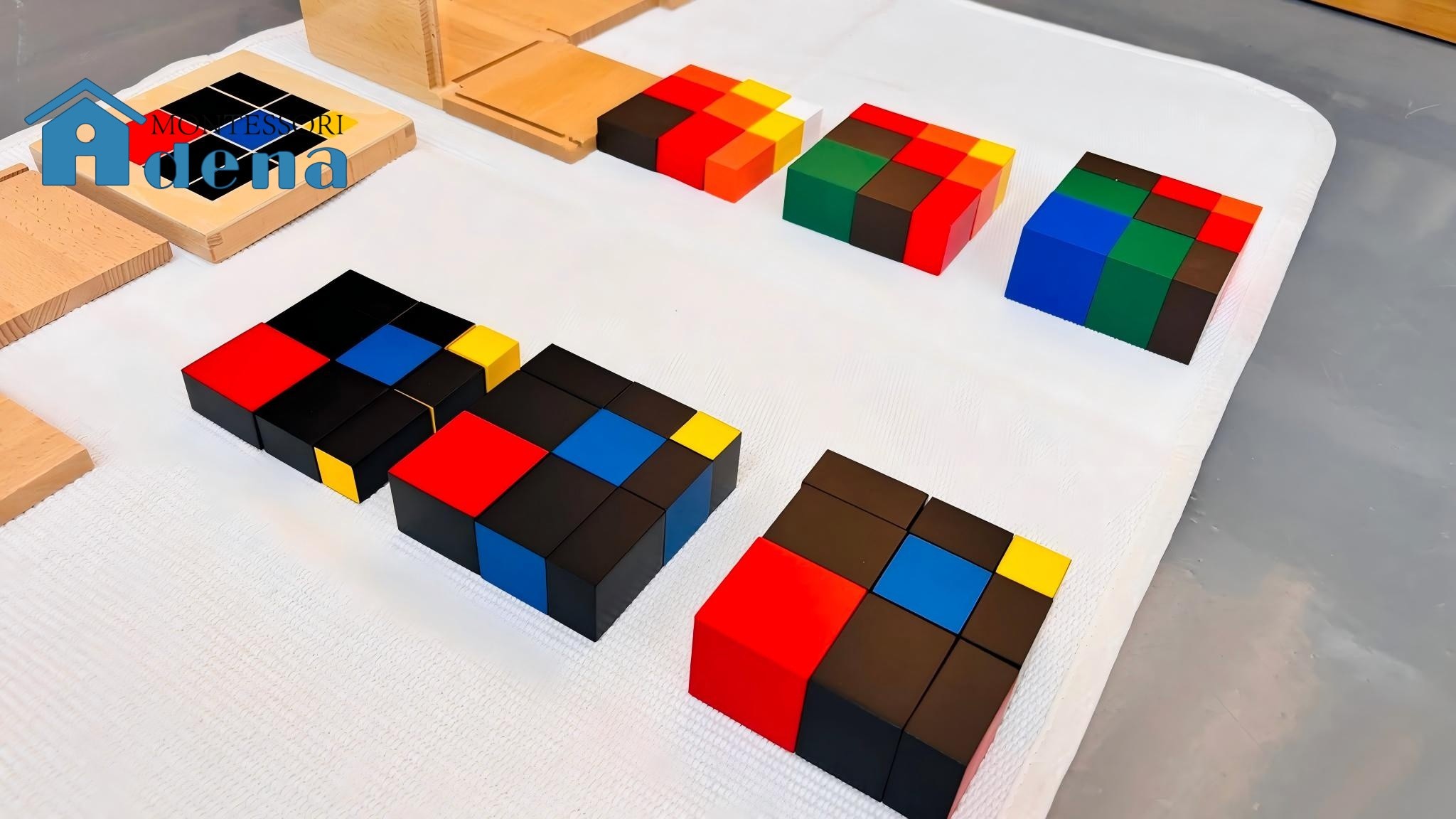 Montessori Binomial Cube: A Concrete Path to Algebra
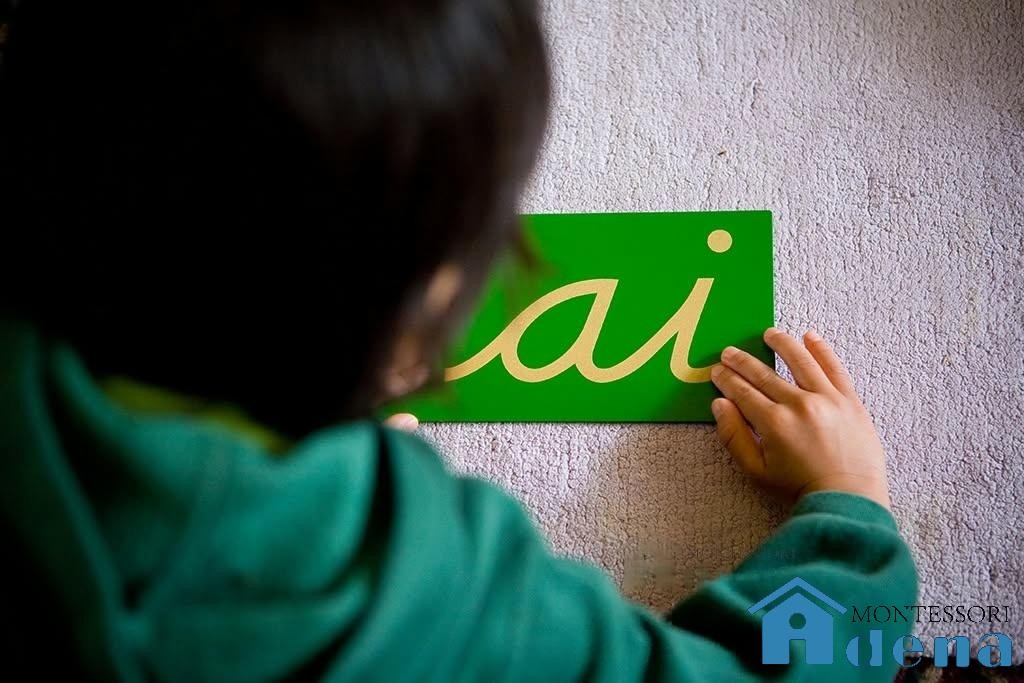 Montessori Sandpaper Letters: Preparing Children for Writing Through Touch and Sound