

Montessori Sandpaper Letters: Preparing Children for Writing Through Touch and Sound
Before children begin writing letters with a pencil, they can explore letter shapes with their fingers. In a Montessori language environment, Montessori Sandpaper Letters offer a hands-on way to introduce letter forms and sounds, connecting visual recognition with tactile experience.
Alongside the Montessori Movable Alphabet, Sandpaper Letters are important materials to consider when planning a prepared environment for early language learning. Each material offers a different way for children to interact with letters, from tracing their shapes to arranging them into words.
What Are Montessori Sandpaper Letters?
Montessori Sandpaper Letters are tactile language materials that typically feature letters made from textured sandpaper mounted on individual boards or cards. The textured surface contrasts with the smoother background, allowing children to trace the shape of a letter with their fingers.
During a presentation, the teacher introduces a letter and its associated sound, then demonstrates how to trace the letter in the appropriate direction. Children can repeat the movement while hearing and practicing the sound.
This experience brings together three elements of early letter learning:
Visual recognition: Observing the shape of a letter.
Tactile exploration: Following the letter's form with the fingers.
Sound association: Connecting the letter with its corresponding sound.
Rather than encountering letters only as printed symbols on a page, children have an opportunity to explore their forms through purposeful movement.
How Montessori Sandpaper Letters Support Early Literacy
1. Connecting Letter Shapes With Sounds
One purpose of Montessori Sandpaper Letters is to help children associate a letter's shape with its corresponding sound.
A presentation may involve showing the letter, tracing its form, and introducing the sound associated with it. Repetition gives children opportunities to revisit the relationship between the visual form and the spoken sound.
For Montessori teachers, this creates a practical way to introduce letters through direct experience rather than relying exclusively on visual recognition.
2. Exploring Letter Formation Before Pencil Writing
Tracing a Sandpaper Letter gives children an opportunity to follow the shape of a letter with their fingers.
The movement is different from writing with a pencil, but it allows children to explore the letter's form and direction without immediately having to coordinate a writing tool on paper.
Sandpaper Letters can therefore form part of a broader sequence of language and pre-writing activities, alongside other experiences that support hand control and coordination.
3. Building Recognition Through Repetition
Children can return to familiar letters and practice tracing their forms repeatedly.
These repeated experiences allow teachers to observe how children respond to letter shapes and sounds, and to decide when to introduce additional letters or related activities.
The pace and sequence should reflect the child's readiness and the classroom's language curriculum.
What Is the Montessori Movable Alphabet?
The Montessori Movable Alphabet is another classic language material. It typically consists of separate letters that children can select, arrange, and rearrange to form words.
Unlike Sandpaper Letters, which invite children to trace a letter's shape, the Movable Alphabet allows children to work directly with letter symbols and their arrangement.
With appropriate guidance and vocabulary, children can begin constructing words using movable letters before they have fully developed the pencil control needed for conventional handwriting.
This creates an important distinction between composing a word and writing it by hand. A child may be able to express a word using movable letters even while handwriting remains a developing skill.
Sandpaper Letters vs. the Movable Alphabet
Although both are Montessori language materials, they serve different purposes and can complement each other within a prepared environment.
Montessori Sandpaper Letters
Focus on exploring letter shapes and associated sounds.
Invite children to trace letters with their fingers.
Provide tactile and movement-based experiences with individual letters.
Can be used during early letter presentations and recognition activities.
Montessori Movable Alphabet
Focuses on selecting and arranging letter symbols.
Allows children to build words without forming each letter with a pencil.
Supports hands-on exploration of spelling and the sequence of letters in words.
Can be introduced when children are ready for appropriate word-building activities.
These materials should not be treated as interchangeable. Sandpaper Letters emphasize the experience of individual letter forms, while the Movable Alphabet offers opportunities to arrange letters into meaningful sequences.
Print or Cursive Sandpaper Letters: Which Should You Choose?
Montessori classrooms may use print or cursive Sandpaper Letters, depending on the school's approach, language curriculum, and the writing conventions being introduced.
When choosing between the two, consider the following factors:
Consistency with the classroom curriculum: The letter style should align with the school's language presentations and the writing forms children are expected to encounter.
Consistency across materials: Consider how Sandpaper Letters relate to other letter materials, handwriting activities, and the Movable Alphabet used in the classroom.
Clear product specifications: When purchasing for a school or educational project, confirm the letter style, language or alphabet included, and the contents of the set.
There is no need to select a format based on appearance alone. The more practical choice is the one that fits the classroom's teaching approach and the materials already in use.
Creating a Montessori Language Learning Environment
A well-organized Montessori language shelf gives each material a clear purpose and makes it easier for teachers to present activities in a thoughtful sequence.
Sandpaper Letters and the Movable Alphabet can be included alongside other appropriate language materials, with the selection reflecting the children's current experiences and the classroom curriculum.
When planning a language area, schools and educators may consider:
The range of letters and letter forms available.
How materials are stored, displayed, and returned to the shelf.
The relationship between letter recognition, sound association, and word building.
Whether the selected materials are appropriate for the classroom's language and curriculum requirements.
A carefully planned collection helps teachers choose materials that complement one another instead of simply adding more items to the shelf.
Choosing Montessori Language Materials for Schools
For Montessori schools, early childhood education centers, and educational distributors, choosing language materials involves more than selecting an individual product.
Before purchasing Sandpaper Letters or a Movable Alphabet, consider the set contents, product specifications, material finish, storage arrangements, and compatibility with the classroom's planned activities.
For larger classroom projects, clear product documentation and organized selection information can also help purchasing teams compare options and coordinate orders.
Adena Montessori supplies Montessori educational materials, classroom furniture, and complete classroom solutions for schools and educational partners. We aim to support customers with practical product information to help them plan and equip Montessori learning environments.
Explore Montessori language materials from Adena Montessori or contact our team for product catalogs and further information.
Frequently Asked Questions About Montessori Sandpaper Letters
What are Montessori Sandpaper Letters used for?
Montessori Sandpaper Letters are used to introduce letter shapes and their associated sounds through tactile exploration and movement. They can form part of early language and pre-writing activities.
Do children need to write with a pencil before using the Movable Alphabet?
Not necessarily. The Movable Alphabet allows children to arrange letter symbols into words without having to write each letter by hand. Its introduction should reflect the child's readiness and the teacher's language curriculum.
What is the difference between Sandpaper Letters and the Movable Alphabet?
Sandpaper Letters invite children to trace individual letter forms and associate them with sounds. The Movable Alphabet allows children to select and arrange separate letters to construct words.
Should schools choose print or cursive Sandpaper Letters?
The choice should reflect the school's curriculum, writing conventions, and consistency across its language materials. Schools should also confirm the letter style and set contents before purchasing.
What should schools consider when purchasing Montessori language materials?
Schools should review the letter forms included, product specifications, material quality, storage requirements, and suitability for planned classroom activities. Clear catalog information can help educators and purchasing teams make informed selections.
Conclusion
Early language learning involves more than recognizing letters on a page. Montessori Sandpaper Letters offer children a way to explore letter shapes through touch and movement, while the Movable Alphabet provides a different experience by allowing them to arrange letters into words.
Together, these materials can contribute to a thoughtfully prepared Montessori language environment in which children encounter letters through purposeful, hands-on activities.
Discover Montessori language materials with Adena Montessori and explore options for your classroom or educational project.
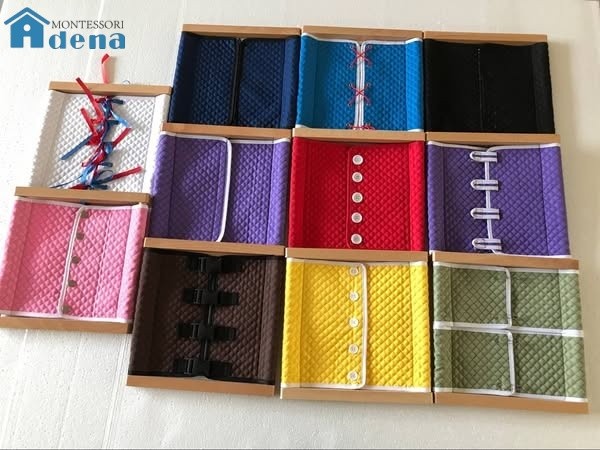 Montessori Dressing Frames for Child Independence
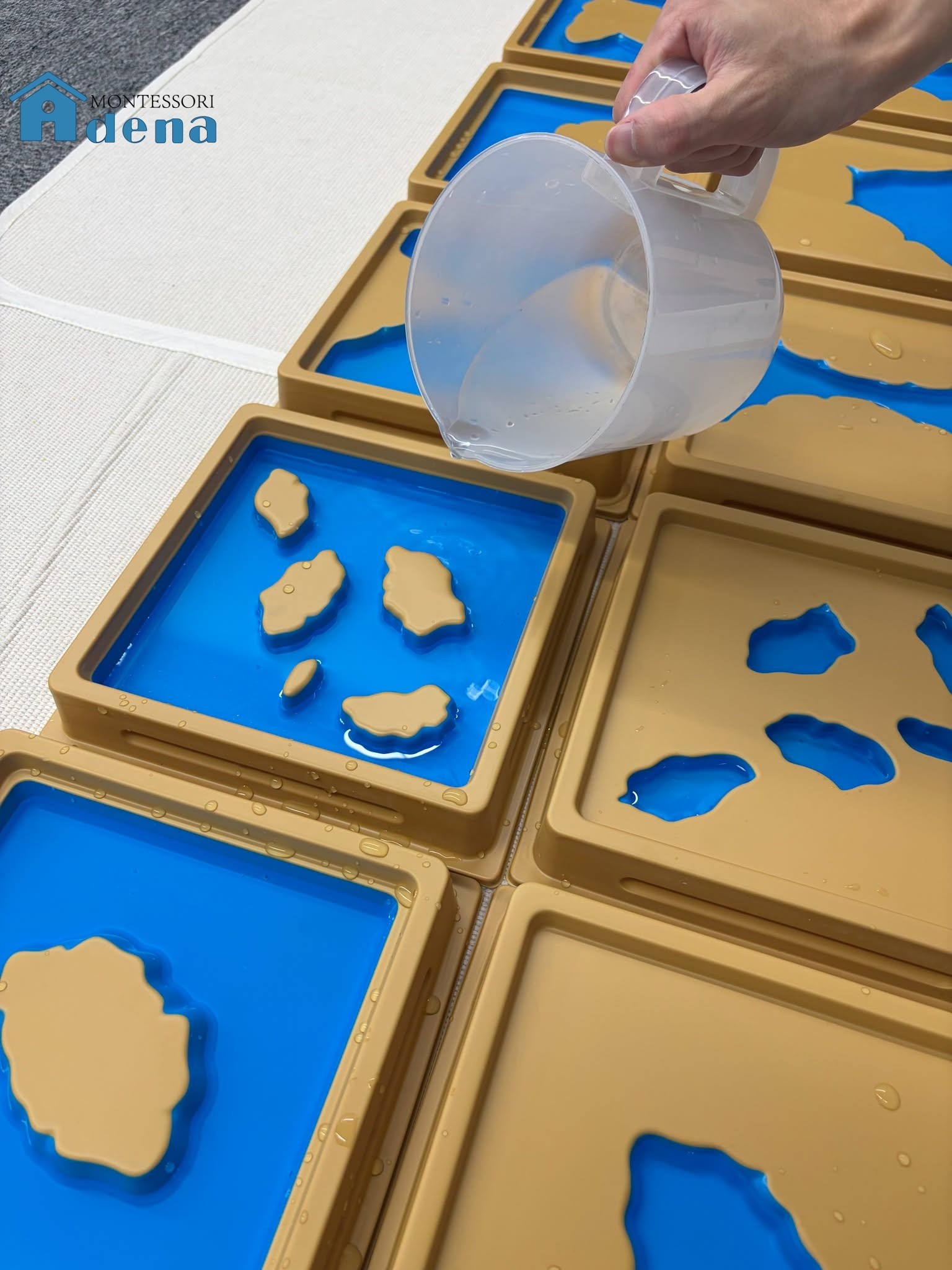 Montessori Land and Water Globe: A Child’s First Geography Lesson
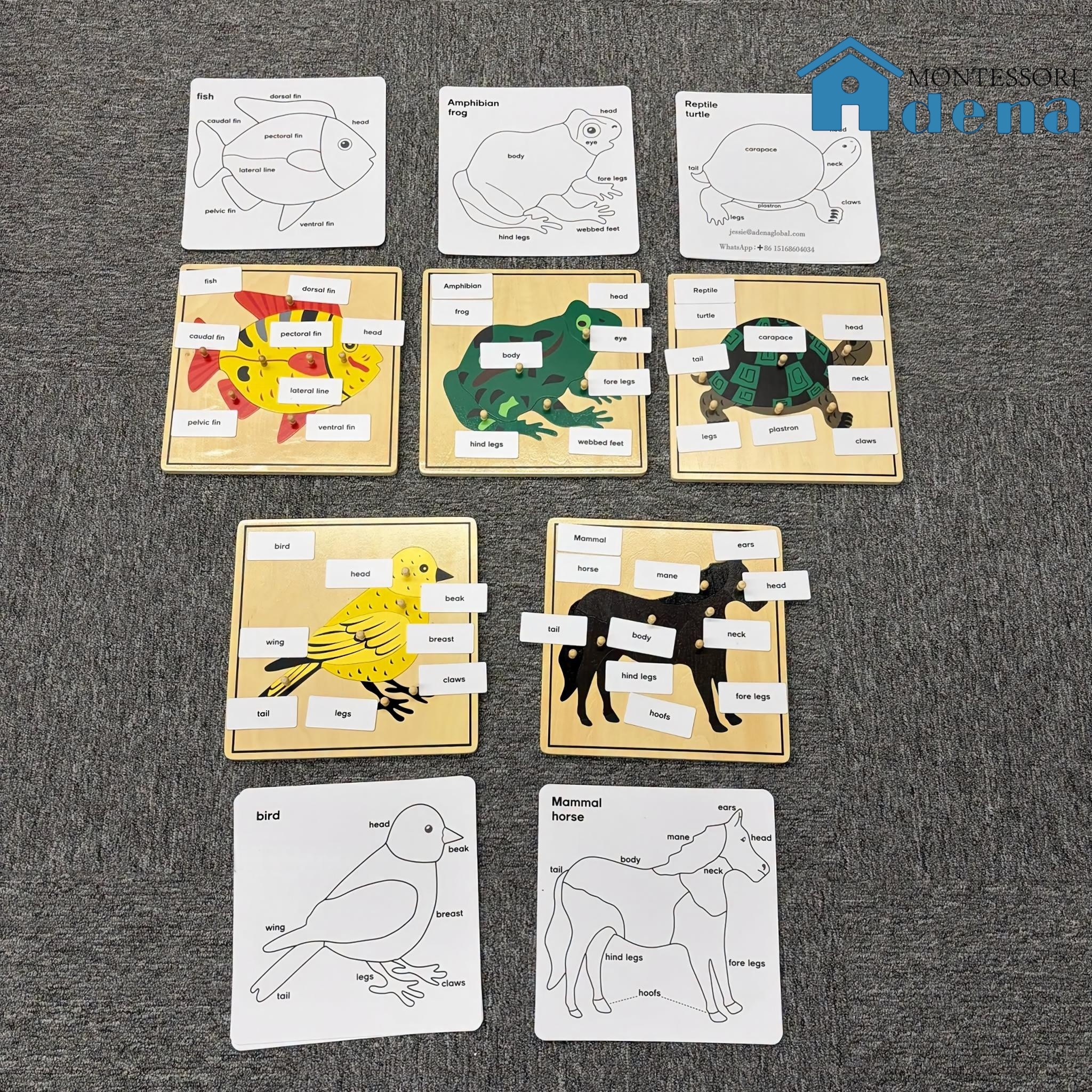 Montessori Biology Puzzles: Hands-On Learning Piece by Piece
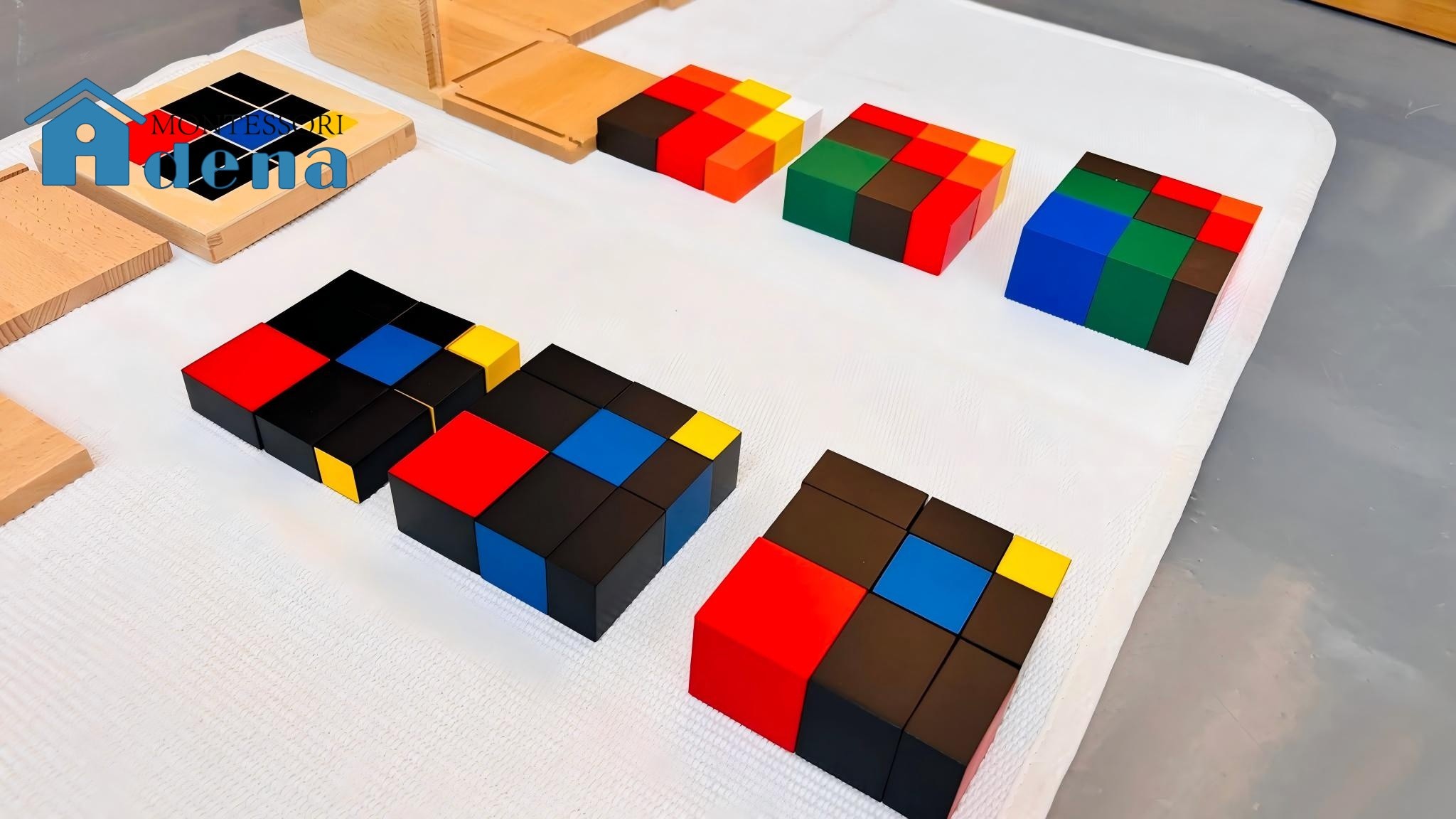 Montessori Binomial Cube: A Concrete Path to Algebra