

Celebrating the Mid-Autumn Festival in a Montessori Environment
The Mid-Autumn Festival is one of the traditional festivals celebrated in Chinese culture. Associated with the full moon, family gatherings, mooncakes, and seasonal traditions, it offers children an opportunity to experience culture through meaningful and hands-on activities.
For Montessori educators, seasonal celebrations can also become part of a thoughtfully prepared classroom environment. Rather than simply decorating the classroom for a festival, teachers can introduce cultural elements through practical activities, beautiful materials, stories, art, and everyday classroom experiences.
Bringing the Mid-Autumn Festival into the Montessori Classroom
A Montessori environment is carefully prepared to encourage children to explore and participate independently. When introducing the Mid-Autumn Festival, educators can keep this principle in mind and create simple activities that children can experience directly.
For example, a classroom may prepare a small cultural display featuring images of the moon, traditional festival objects, or other appropriate materials related to the Mid-Autumn Festival.
Teachers can also introduce age-appropriate activities such as transferring, sorting, matching, drawing, paper crafts, or food preparation inspired by the season and celebration.
The goal does not have to be creating an elaborate festival theme. A few carefully selected activities can help integrate cultural experiences naturally into the classroom.
A Prepared Environment for Seasonal Activities
The classroom environment plays an important role in how activities are presented and accessed.
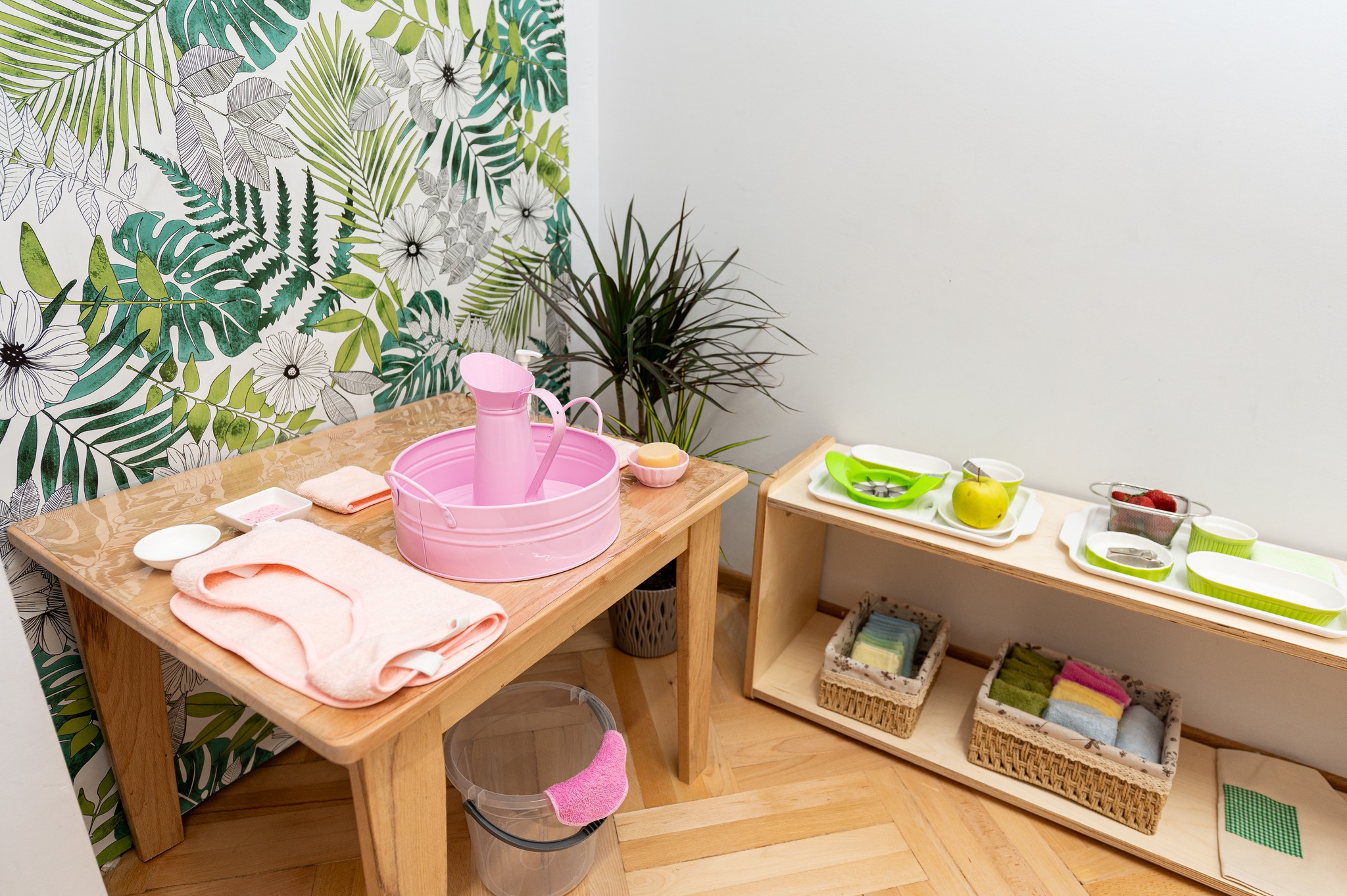
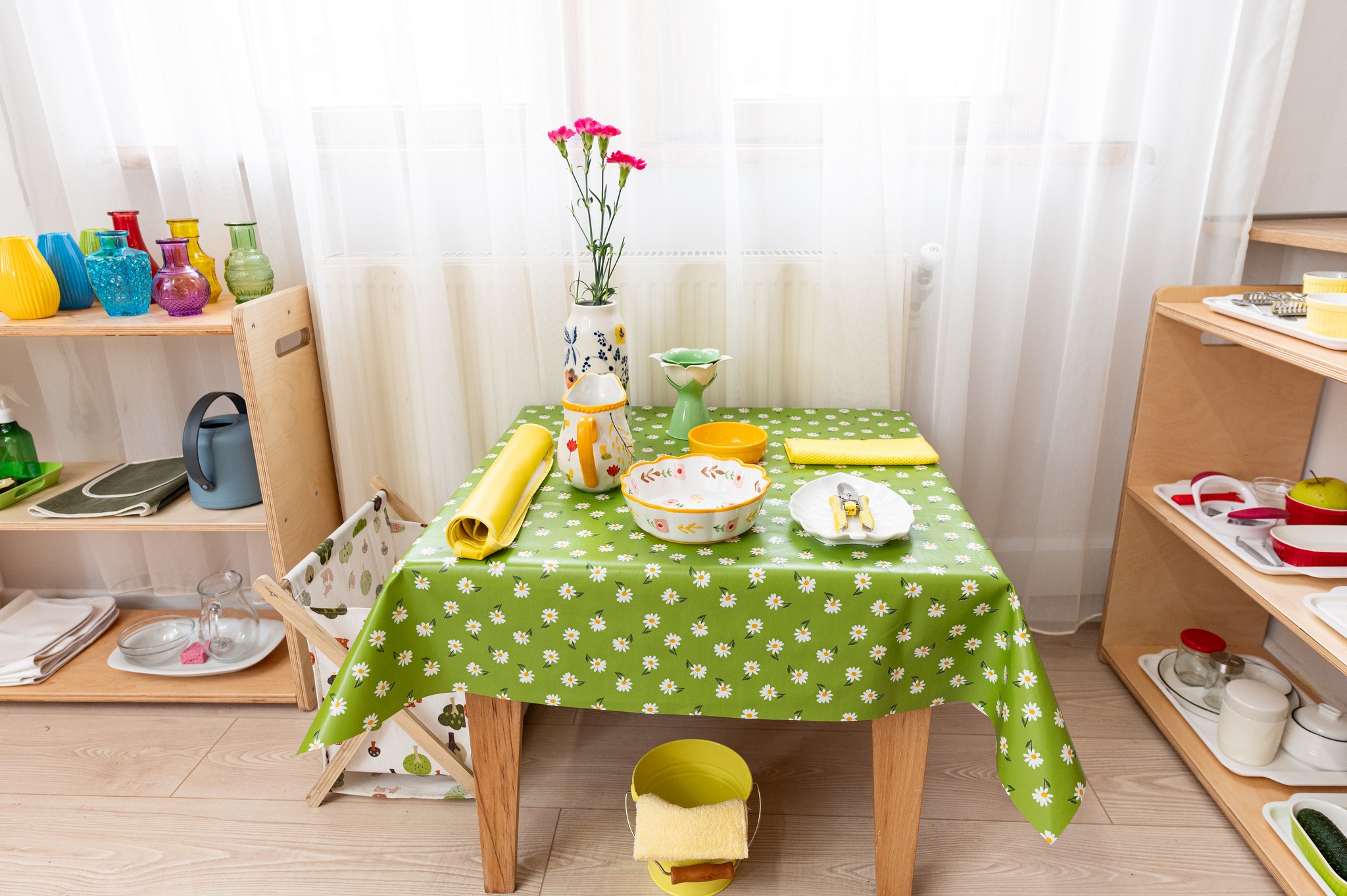
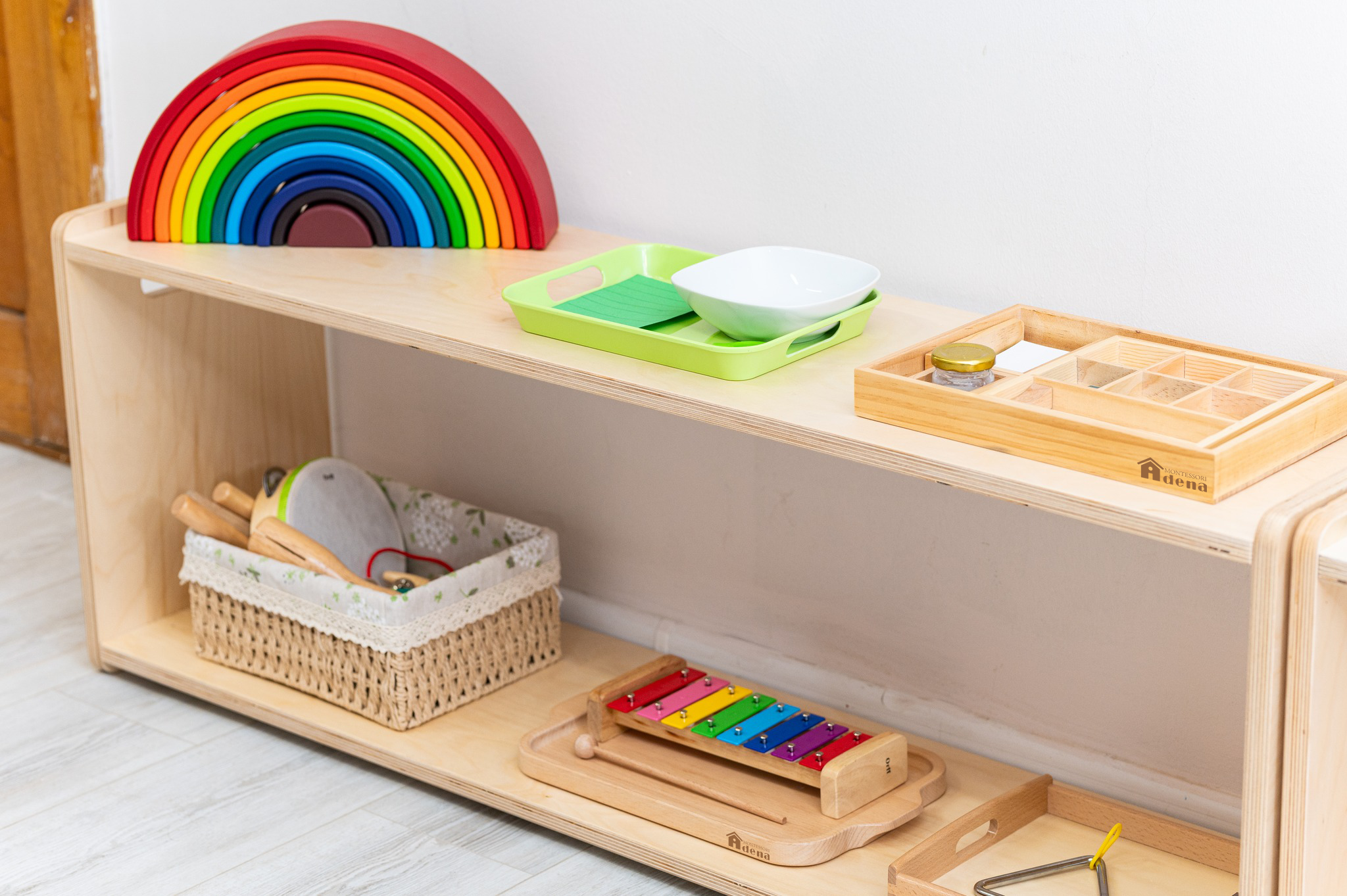
Low, organized shelves can make materials visible and accessible to children. Child-sized tables and chairs provide spaces for individual or small-group activities, while trays and baskets can help keep activity materials organized.
This is where Montessori classroom furniture and materials work together as part of the prepared environment.
When planning a Mid-Autumn Festival activity, educators can consider questions such as:
Is the activity clearly presented?
Can children access the materials conveniently?
Are the materials organized and easy to return?
Does the activity fit naturally into the existing classroom environment?
Are the cultural elements presented respectfully and accurately?
These considerations can help seasonal activities remain consistent with the overall organization of a Montessori classroom.
Simple Mid-Autumn Festival Activity Ideas
There are many ways educators can introduce the festival without changing the entire classroom.
1. Moon-Themed Art
Children can explore the shape and appearance of the moon through drawing, painting, cutting, or other simple art activities.
2. Practical Life Activities
Teachers can prepare transferring, spooning, pouring, or food-preparation activities using suitable seasonal materials.
The specific materials and level of difficulty should be selected according to the classroom setting and the children involved.
3. Cultural Matching Activities
Pictures related to the Mid-Autumn Festival can be used for simple matching or language activities. Educators may introduce vocabulary connected with the festival while providing appropriate cultural context.
4. A Seasonal Nature Table
A small area of the classroom can reflect the season through natural objects, carefully selected pictures, or festival-related elements.
Keeping the display simple helps it remain part of the prepared environment rather than becoming a distraction from everyday classroom activities.
Connecting Culture with Everyday Montessori Experiences
Cultural celebrations can be most meaningful when they are connected with experiences children can see, touch, prepare, and participate in.
The Mid-Autumn Festival provides one example of how educators can bring traditions into the classroom in a simple and respectful way.
The same approach can be applied to other seasonal and cultural occasions around the world: understand the cultural context, choose appropriate activities, prepare the environment carefully, and allow children to participate through real experiences.
Supporting Montessori Learning Environments with Adena Montessori
At Adena Montessori, we provide Montessori materials, classroom furniture, and complete classroom solutions for the global education community.
With our own-factory capability, global supply experience, and focus on quality control, we work to provide practical solutions for Montessori learning environments.
From Montessori materials to classroom furniture, our product range is designed to support schools in preparing organized and functional classroom spaces for everyday activities and changing classroom needs throughout the year.
Whether you are planning a new Montessori classroom or developing an existing learning environment, a carefully prepared space provides the foundation for presenting materials and activities in a clear and accessible way.
Create Your Montessori Classroom with Adena
Seasonal moments such as the Mid-Autumn Festival remind us that a classroom can be a place where children encounter both everyday experiences and the wider world around them.
A thoughtfully prepared Montessori environment provides space for these experiences while maintaining order, simplicity, and purpose.
Explore Adena Montessori materials, classroom furniture, and complete classroom solutions for your Montessori environment.
Looking for Montessori classroom products or a complete classroom solution? Send us a message for the Adena Montessori catalog.
 “Mine!”—Why Toddlers Refuse to Share, and What Montessori Really Says About It
 What’s the Difference Between Montessori and Traditional Early Education? Is It Right for My Child?
 Why Does My Toddler Always Want to “Help”? What Montessori Says About the Drive to Participate (1–3 Years)
 When to Start Montessori? How to Practice It at Home from 0–3 Years Old?